
eXtensions - Sunday 21 June 2026
By Graham K. Rogers
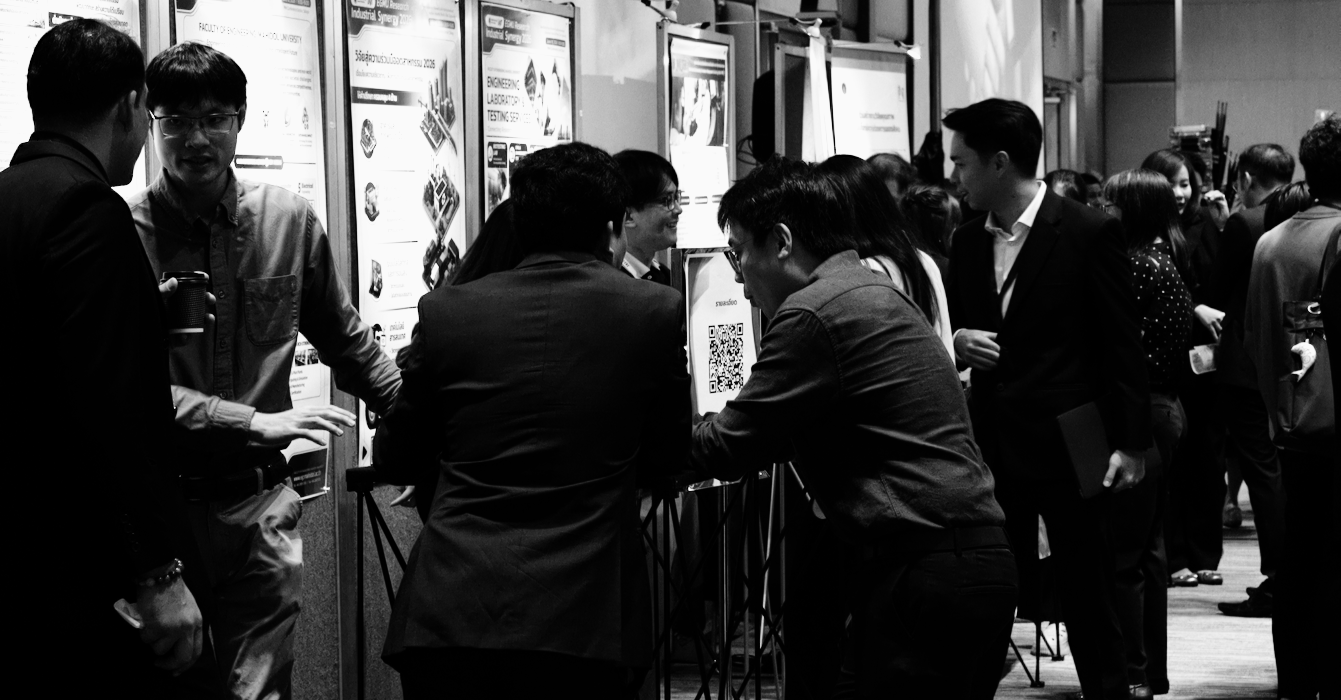
The Faculty of Engineering at Mahidol University, Thailand, organized an event to add to its already-strong connections with Industry. Five lecturers made brief presentations on ways in which modern technology - AI, digital twins, software innovations, logistics, automation and robotics - could benefit local industry and encourage growth. A panel of experts discussed Unlocking Profit with Innovation, emphasising the ways in which engineers could help. Within the conference hall were some 50 poster presentations as well as booths showing technological products
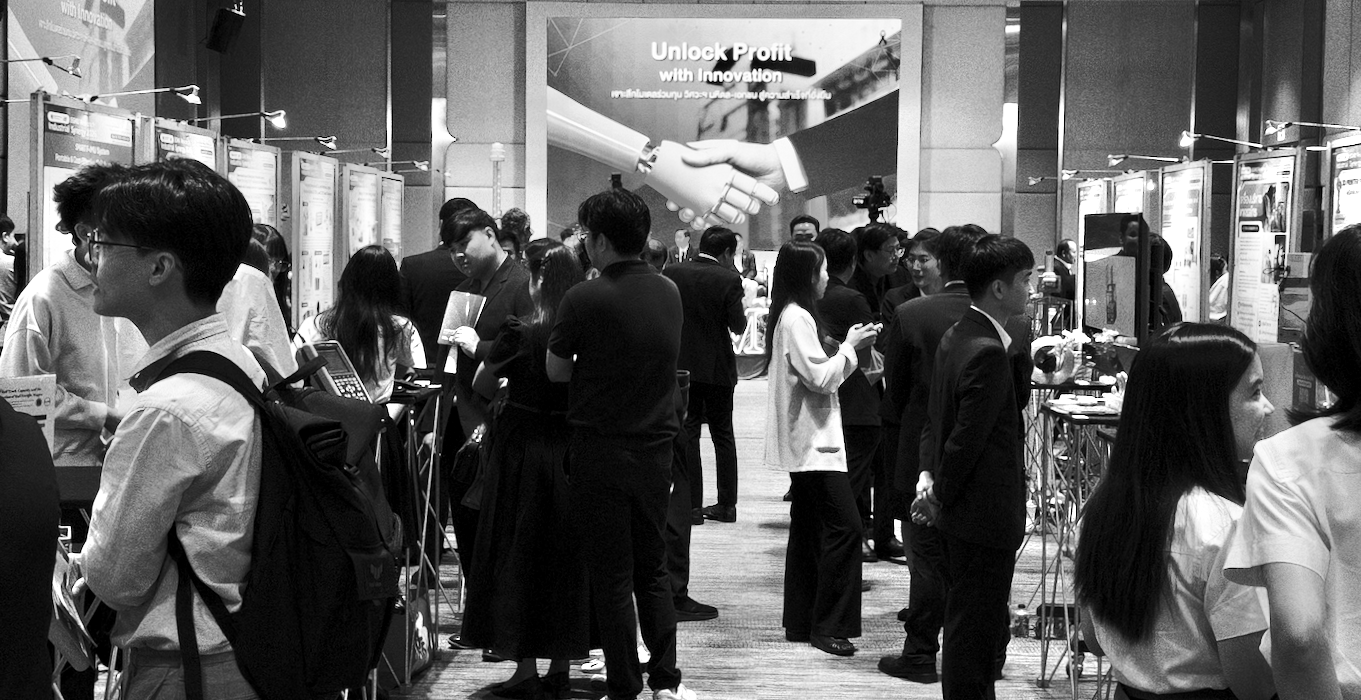
This week the Faculty of Engineering, Mahidol University organized an event at which several Faculty members presented their current research. The main aim of the event was to examine ways in which connections between the academic world and industry could be strengthened: to provide ideas and information that will help development in Thailand.
|
|
|
The topics were selected with specific reference to ways in which the Faculty experts have targeted how the latest technological ideas can help industry. The speakers are particularly involved in how artificial intelligence (AI) and other up-to-date tools can be put to the best use by our industrial partners.
|
|
|
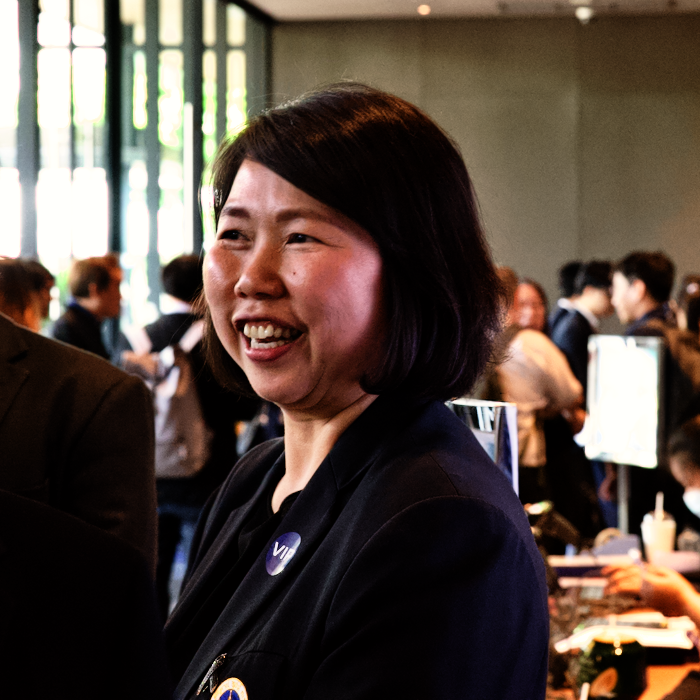
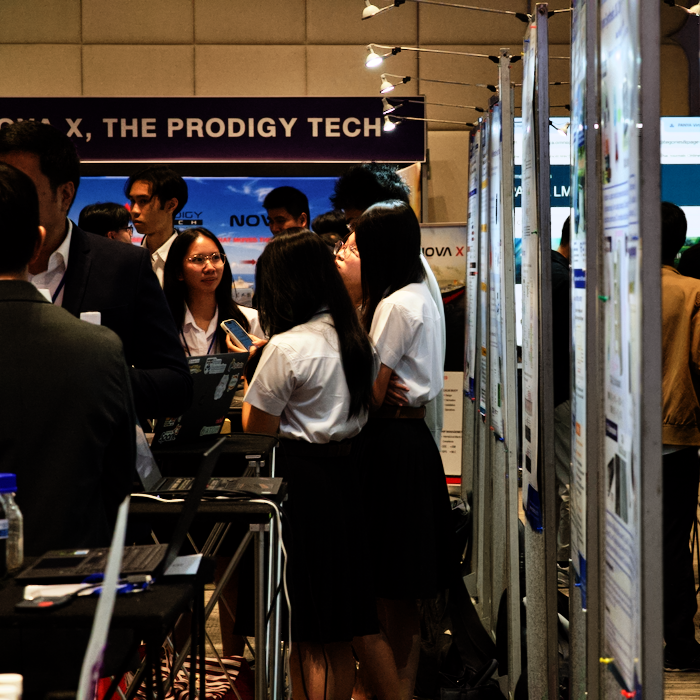
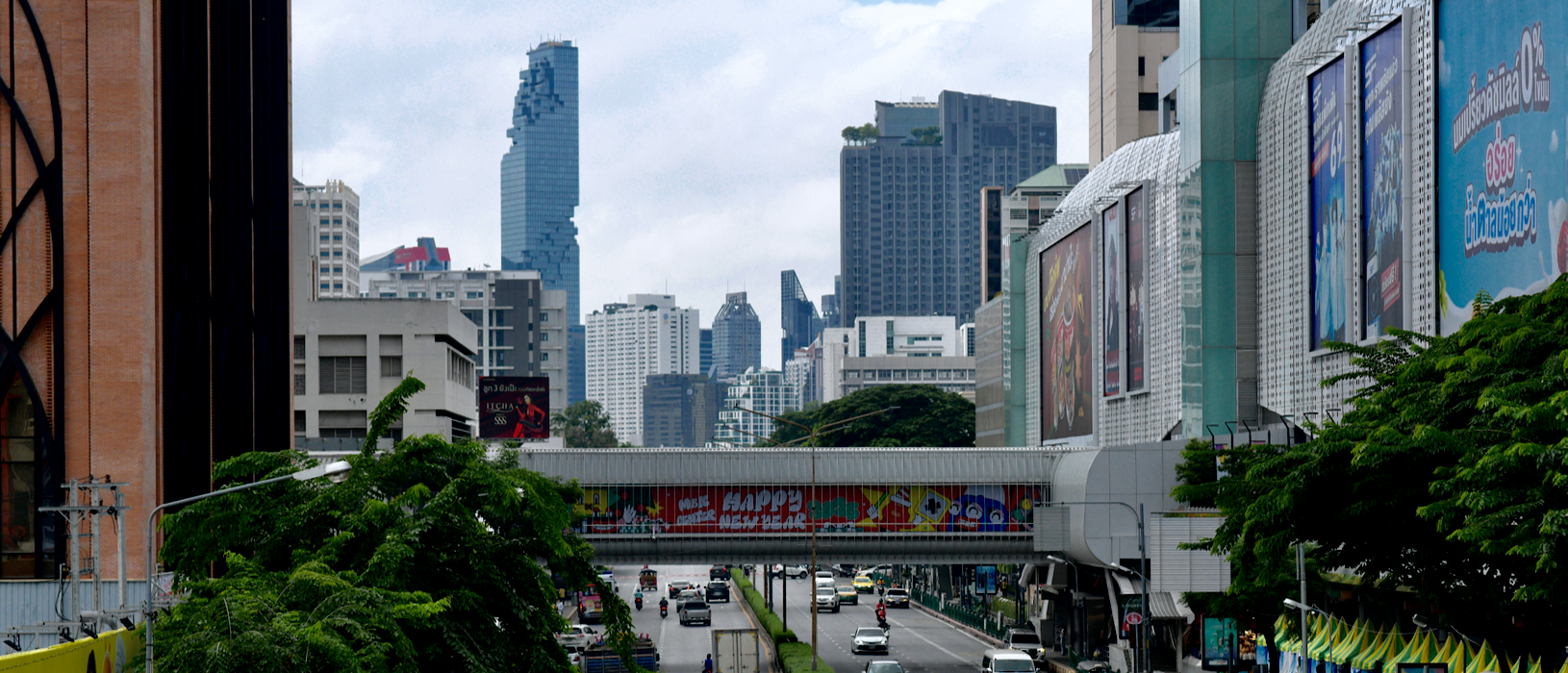
The symposium was held in the PMH Conference Center, on the Salaya campus of Mahidol University near the Prince Mahidol Hall. It was organized by the Office of Research, Innovation and Academic Services at the Faculty of Engineering. As well as the presentations, there were also poster displays and booths in the conference room, showcasing some of the technology discussed. These were of considerable interest to event visitors. In addition to the presentations, the speakers were available for match-making sessions later.
|
|
|
|
|
|
Contact points were provided so that those attending could ask for information on ways in which the Faculty and University could assist industry:
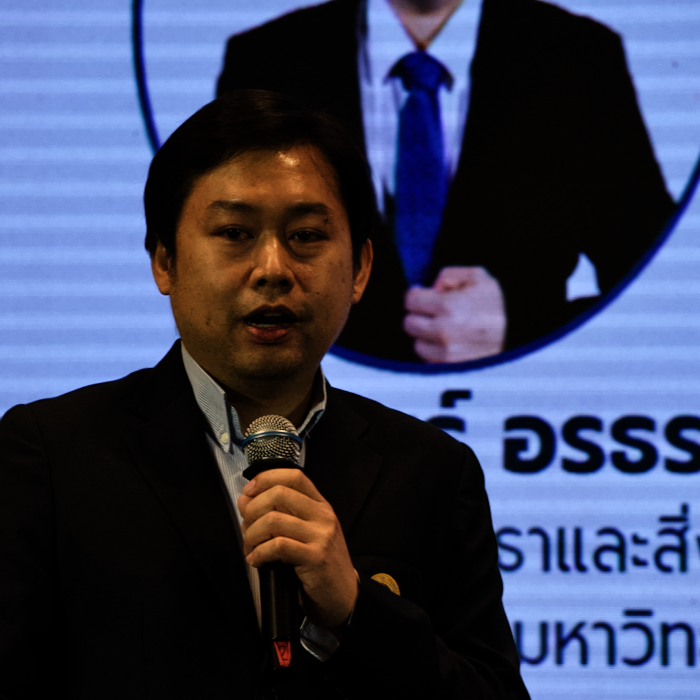
Introductory speeches were made by the Deputy Minister of Higher Education, Danuporn Punnakan; M. L. Chagriya Kitiyakara, (Mahidol VP for Research); Dr. Sura-at Supachatturat, of the Nationl Innovation Agency (NIA); Suphot Sukphisarn of the Federation of Thai Industries (FTI): Dr. Sampan Silapanad, VP Thai Semiconductor Industry Trade Association (THSIA); and by the Dean of the Faculty of Engineering, Dr. Thanapat Wanichanon.
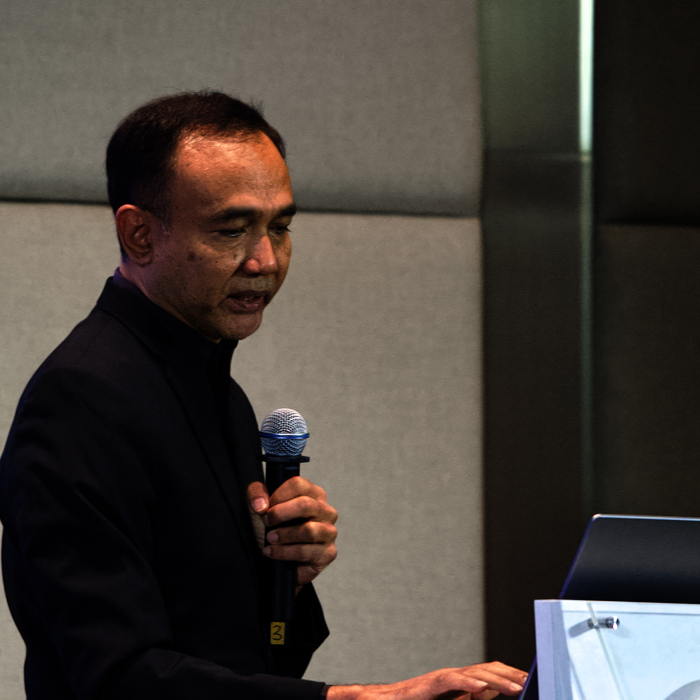
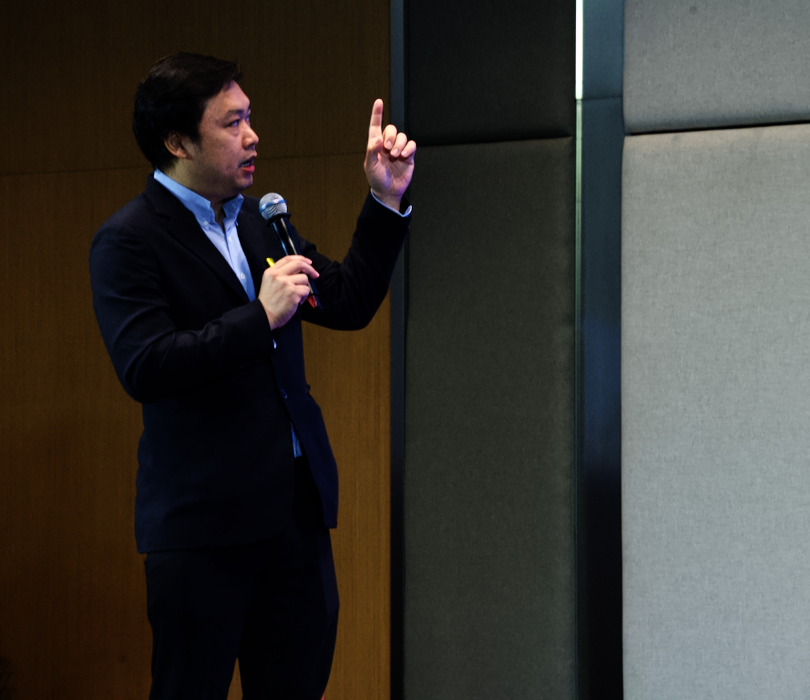
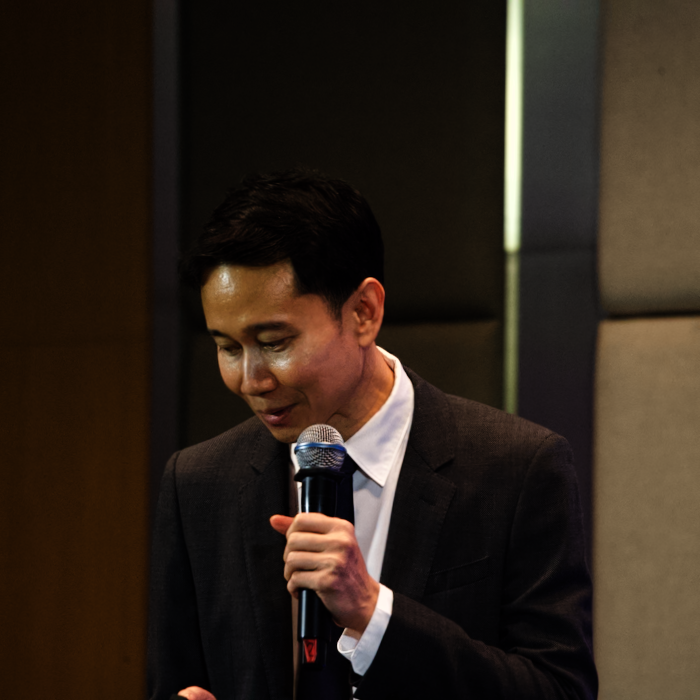
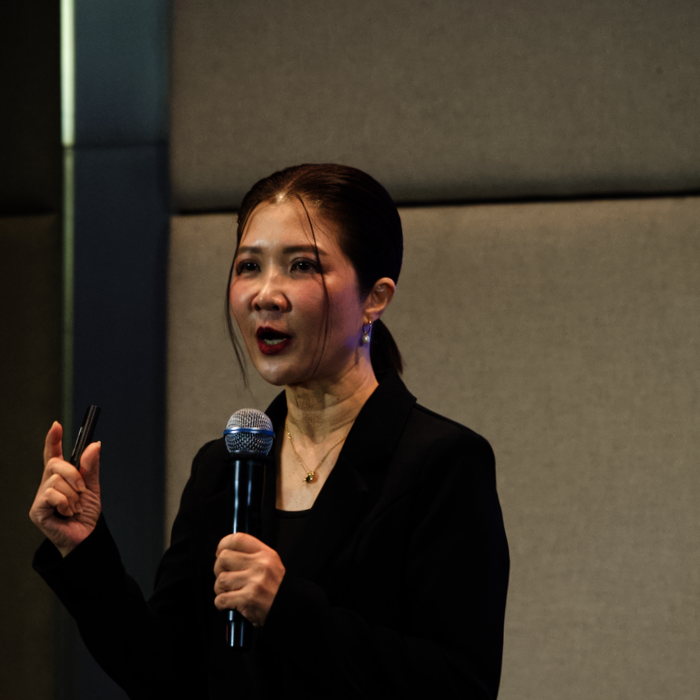
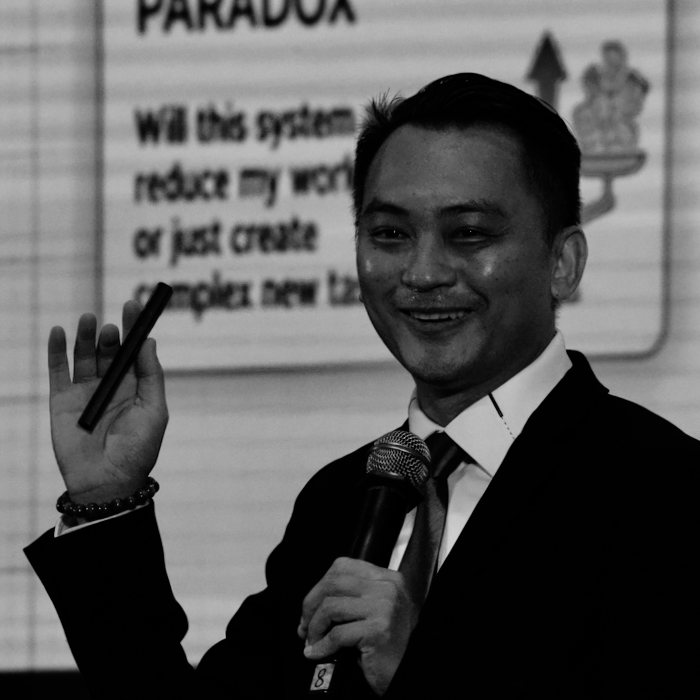
The five lecturers outlined their current research with each speaking for a brief 10 minutes. Although each of the speakers has excellent English, the presentations were in Thai, as the event was aimed at local industry. After the presentations, a panel of experts discussed problems that industry faces, and how the university could help (see below).
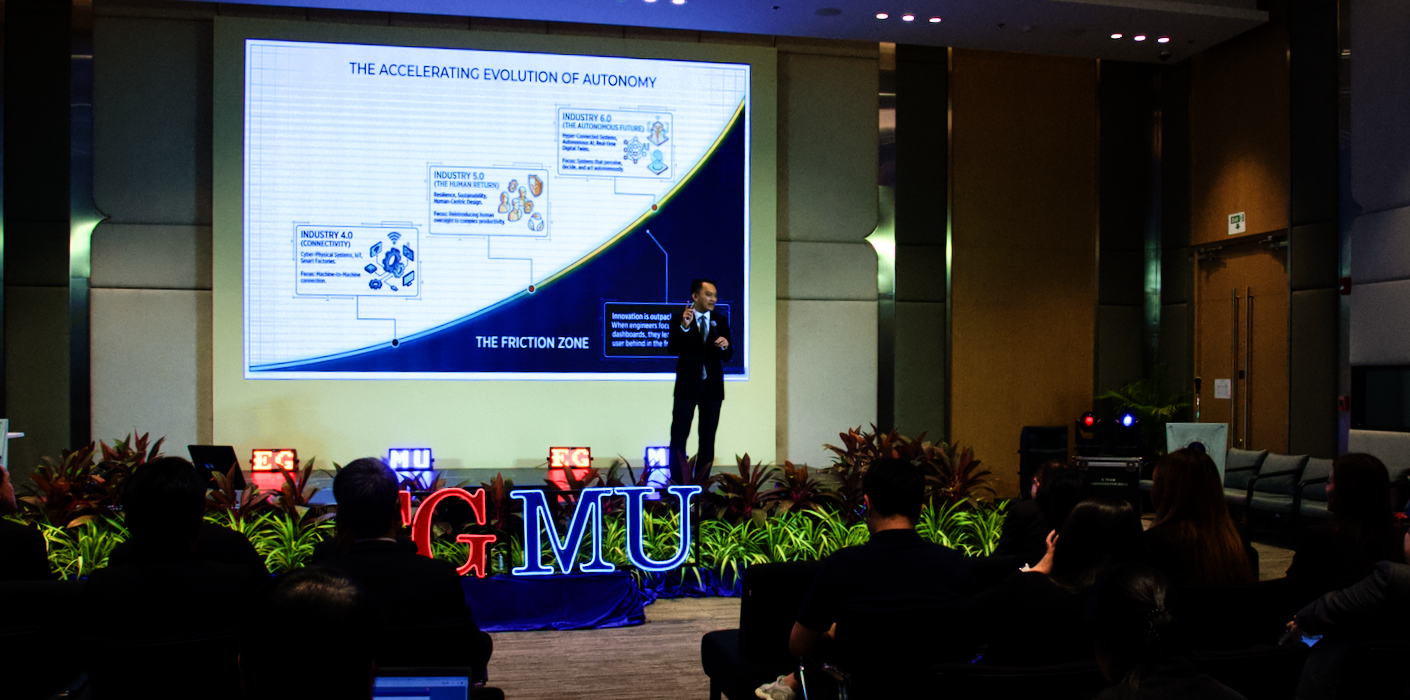
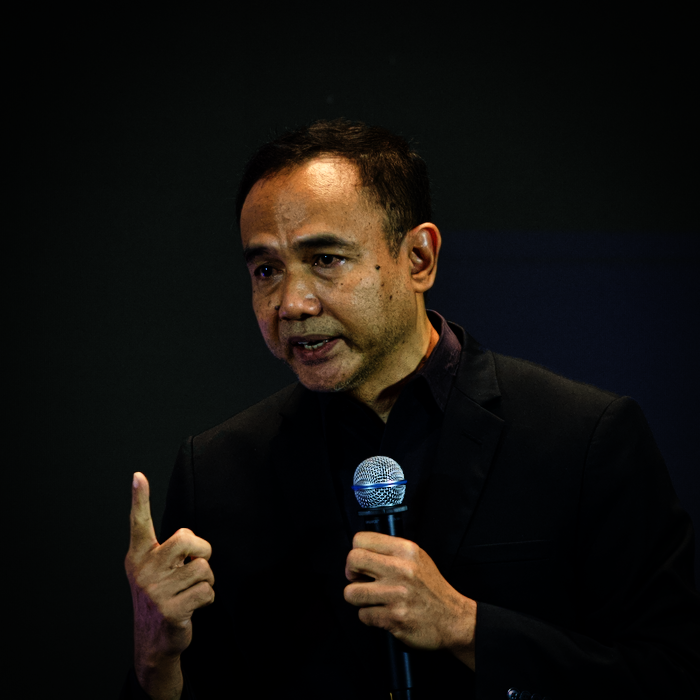 Dr. Paisarn Munisawang, of the Department of Computer Engineering spoke on "AI Digital Twin: Intelligent Virtual Reality Technology to Drive the Future of Industry and Digital Innovation". His interests include multimedia signal processing; machine learning; computational intelligence; and neural networks. A digital twin is a software model that reproduces the behavior of a physical system allowing an organization to run safe and low cost simulations of a process.
Using a computer model, a manufacturer could examine variations of a process to find the best solution without the expense of hardware, while saving time in development. The digital twin is useful in a wide range of industries, including healthcare, logistics, and manufacturing. The concept can be traced back to the early days of the space age.
For further information on digital twins see "Digital twins: past, present and future" by Magdalena Görtz, and "Digital twins for health: a scoping review" by Katsoulakis et al.
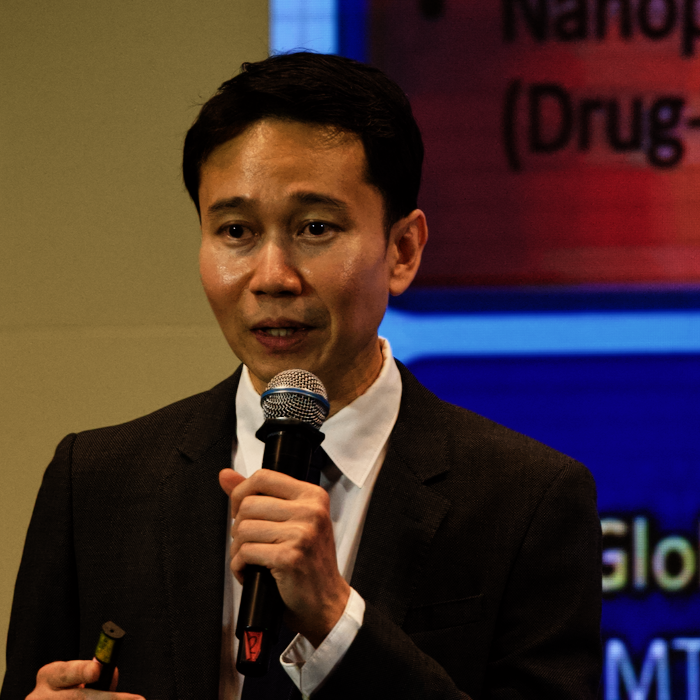 Dr. Norased Nasongkla Ph.D. is the director of BioNEDD.org: Biopolymers and Nanoengineering for Drug Delivery and Molecular Imaging. He is also the director of the Laboratory for Biocompatibility Testing of Medical Devices to ISO 17025 standards - requirements for the competence of testing and calibration laboratories - and the Laboratory for Drug Delivery Systems of Medical Devices to the ISO 13485 standard: quality management for the design and manufacture of medical devices.
He discussed biopolymer technology for cancer therapy, and the nanocoating of medical devices in which targeted drug delivery is enhanced. This reduces side effects, and improves the effectiveness of treatment. Nanocoating is a surface engineering process that deposits thin films on a surface by atomistic or molecular deposition. It improves antimicrobial properties, minimizes biofilm formation, and improves surface performance of medical devices. These innovations are suitable for applications in clinical treatment and the medical device industry.
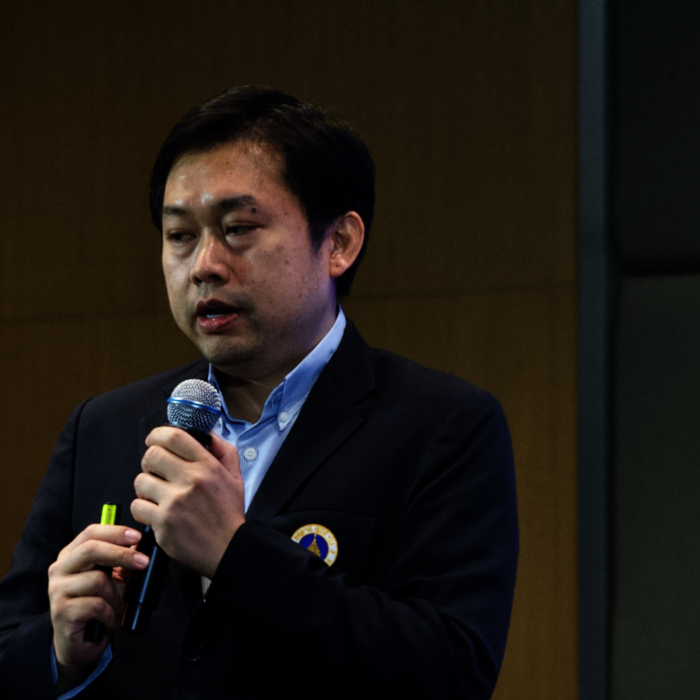 Dr. Teraphan Ornthammarath teaches in the Department of Civil and Environmental Engineering. His Bachelor degree was in Civil Engineering at the Sirindhorn International Institute of Technology. He also studied for his MSc in Earthquake Engineering & Engineering Seismology at the Université Joseph Fourier, and at the Institute for Advanced Study of Pavia (Italy), for his PhD in Earthquake Engineering and Seismology. His interests include earthquake prediction and he carried out considerable research into the recent Sagaing Fault earthquake in Myanmar that inflicted considerable damage to some buildings in Bangkok.
Dr. Teraphan presented information on "Structural Health Monitoring (SHM) for Earthquakes", outlining ThaiQuake: an earthquake vibration monitoring system developed for structural engineering applications. This is designed to monitor and record real-time vibration data from buildings and infrastructure. It supports structural safety assessments after earthquaks and helps reduce the risk of structural damage. It also adds to the efficiency of disaster management and emergency responses. The technology can be applied to buildings, bridges, or other major engineering structures. In his presentation he showed how forces from the earthquake in Myanmar were transmitted to the Bangkok area where the particular geology amplified the vibrations.
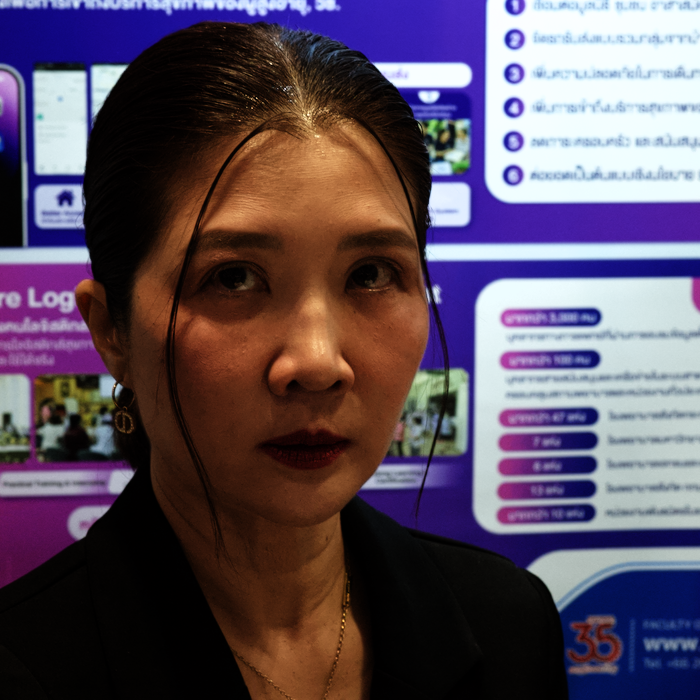 Dr. Duangpun Kritchanai of the Department of Industrial Engineering presented information about "Smart Hospital Innovations". Her interests include logistics in hospital supply chain management and logistics management in healthcare. She is a leader in Research and Innovation Consulting Services in Healthcare Supply Chain and Logistics. Currently she cooperates with Siriraj and Ramathibodi hospitals - major hospitals in Bangkok - for drug delivery improvements.
The research presented by Dr Duangpun at the event outlined the idea of the smart hospital intelligence platform. This integrates Artificial Intelligence (AI) and Digital Twin technologies to optimize patient flow management, hospital logistics, and operational workflows. Analysis of real-time data across healthcare systems, helps reduce operational costs. It also improves service efficiency and patient safety, optimizes resource utilization, and supports data-driven decision-making. The platform contributes to the development of high-quality, smart healthcare systems.

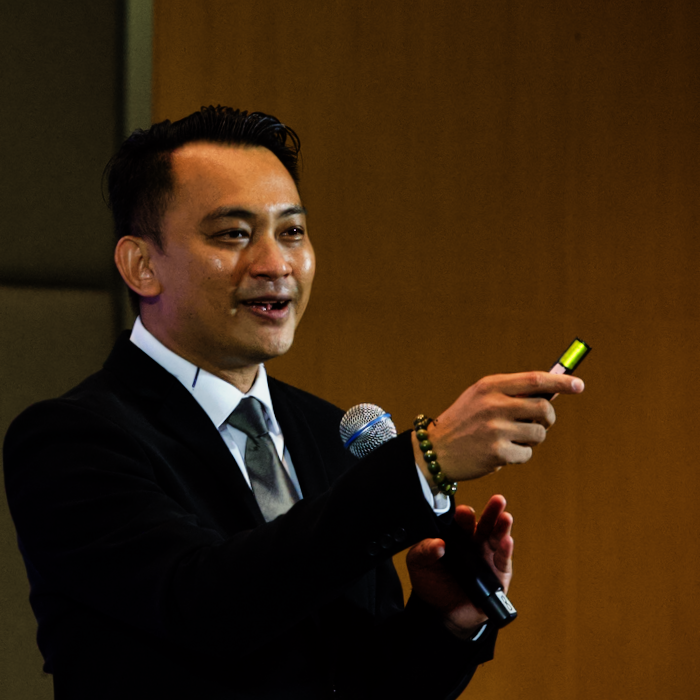 Dr Eakkachai Warinsiriruk is a member of the Department of Industrial Engineering at the Faculty. His Bachelor degree was awarded by Hiroshima University in 2004. He joined the Faculty of Engineering in 2012. A Master of Engineering from King Mongkut's University of Technology, Thonburi was followed by a Doctor of Engineering degree from Hiroshima University in 2015. His research interests include Welding & Joining of Materials, and Flexible Manufacturing Systems.
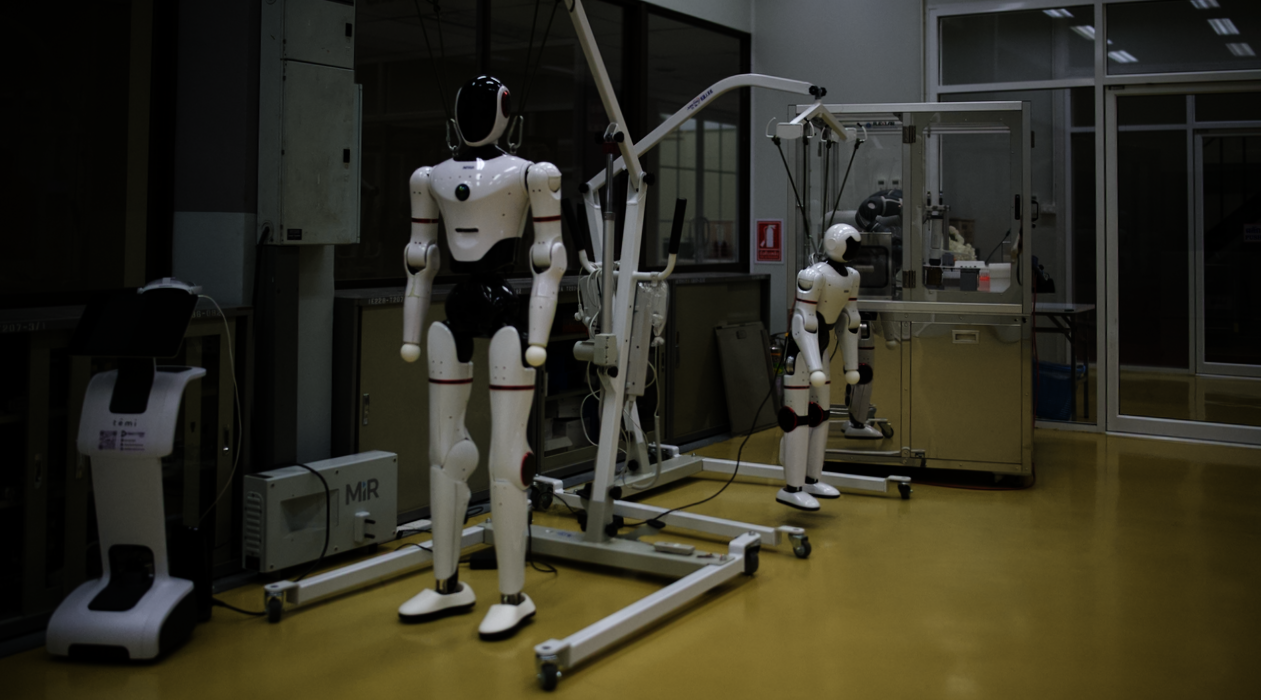
He discussed "The Future of Automation Systems by Intuitive Design". Compound engineering is an intelligent automation system for pharmaceutical processes. It integrates AI, humanoid/robotics systems, automation and digital twins into real-time monitoring technologies. The system improves accuracy, speed, and safety in the preparation of medications. Operational errors are minimized. Direct exposure of healthcare personnel is reduced.
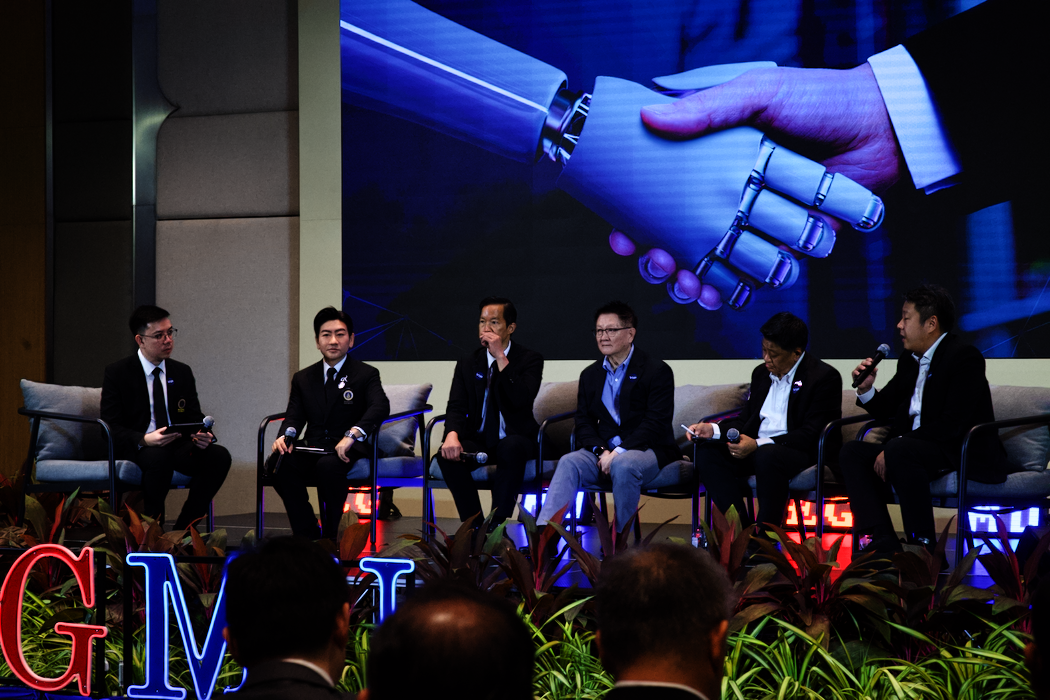
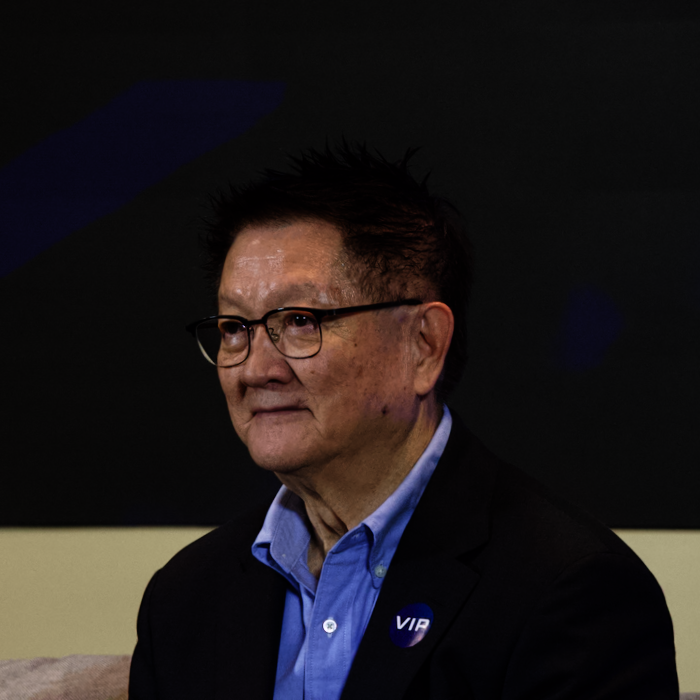
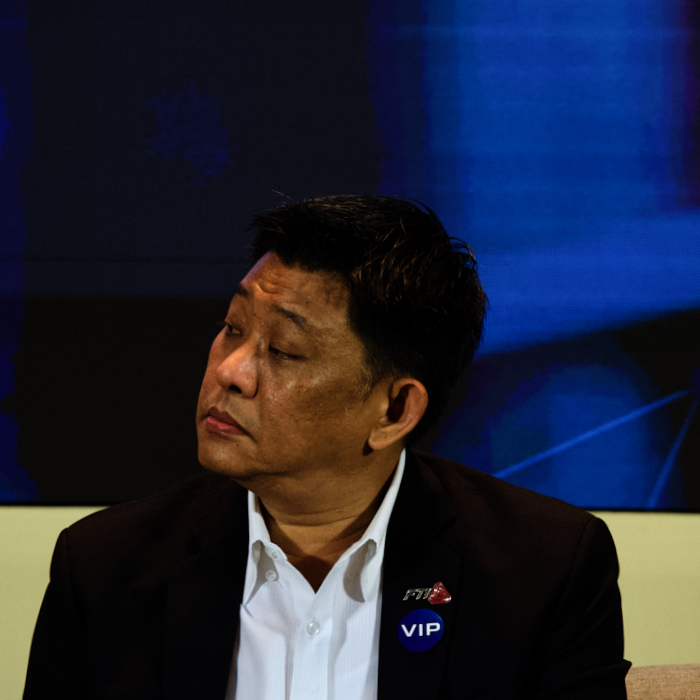
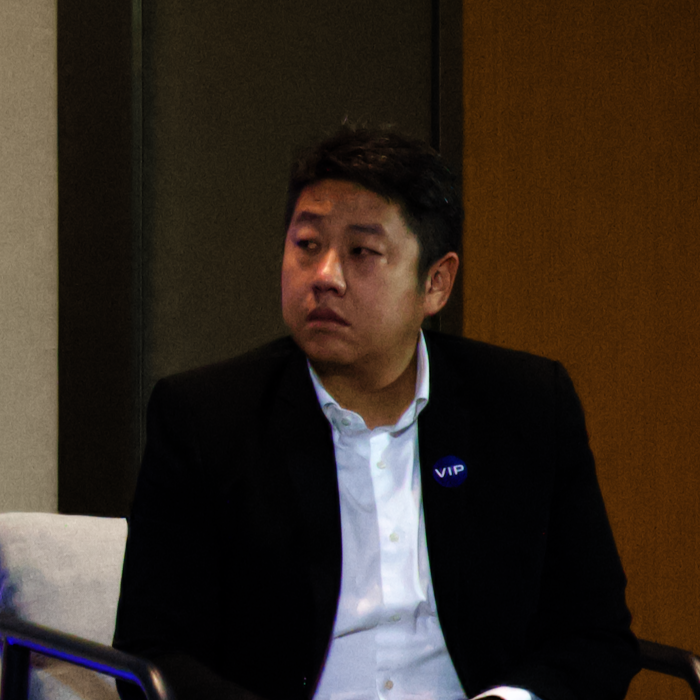
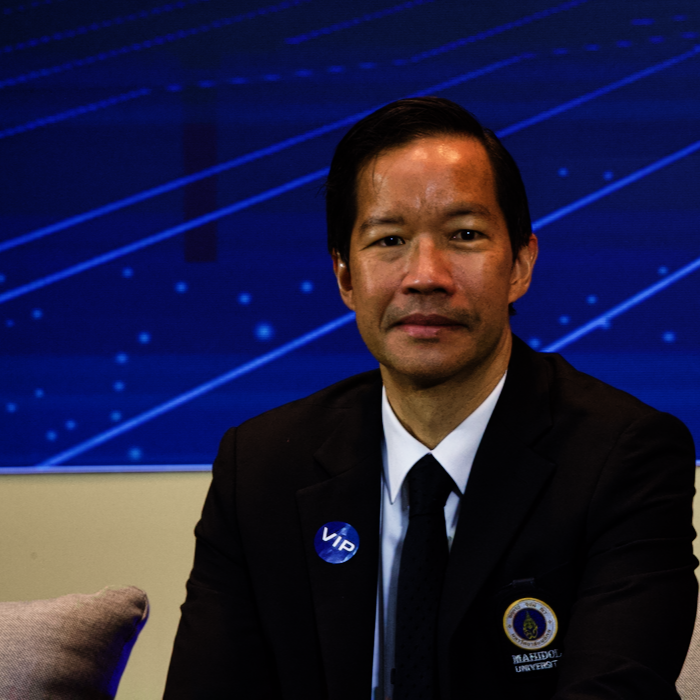
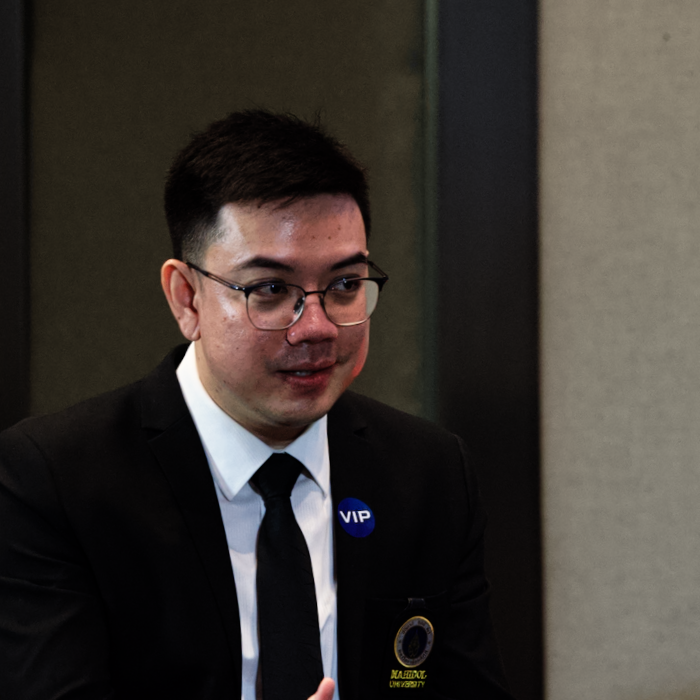
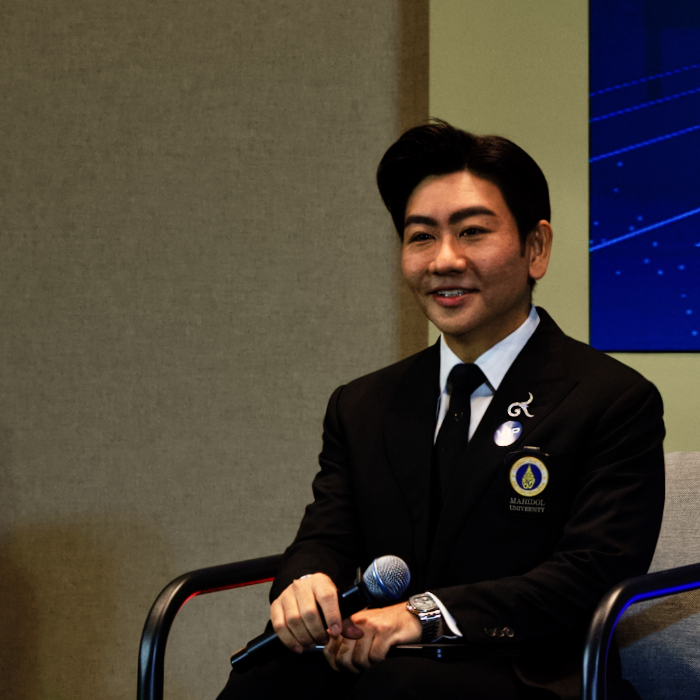
The panel was chaired by Dr. Jetsada Anil, Assistant to the President for Education who sat on the far left. Panel members were Dr. Thanapat Wanichanon, Dean of the Faculty of Engineering (seated to the immediate right of Dr. Jetsada); M.L. Chakree Kitiyakara, M.D., Vice President for Research, Mahidol University; Dr. Sampan Silapanad, Vice President of the Semiconductor Association; Mr. Supot Sukpisan, Chairman of the Auto Parts Industry Club, Thai Auto-Parts Manufacturers Association (TAPMA) and Thai Parkerizing Co., Ltd.; and Mr. Ukrit Kijsiricharoenchai, Director of Financial Support for Essential Innovation, National Innovation Agency (NIA).
|
|
|
|
|
|
|
|
|
|
|
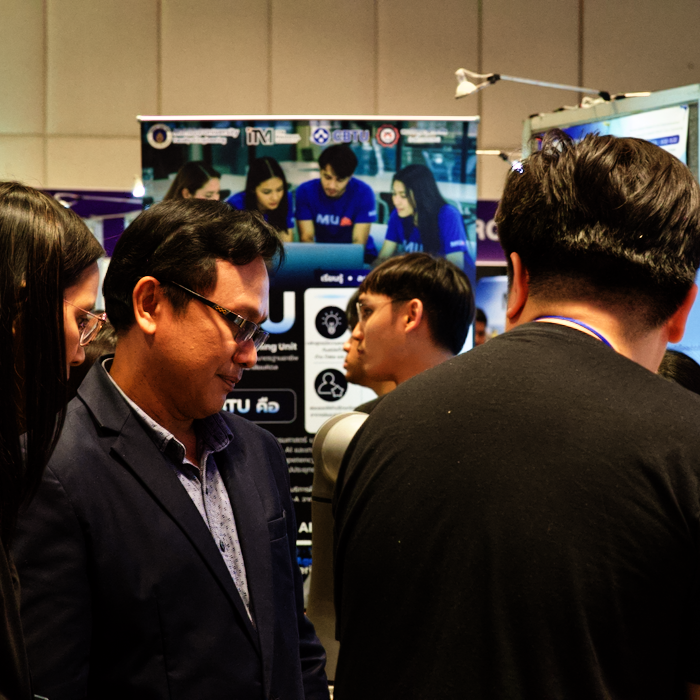
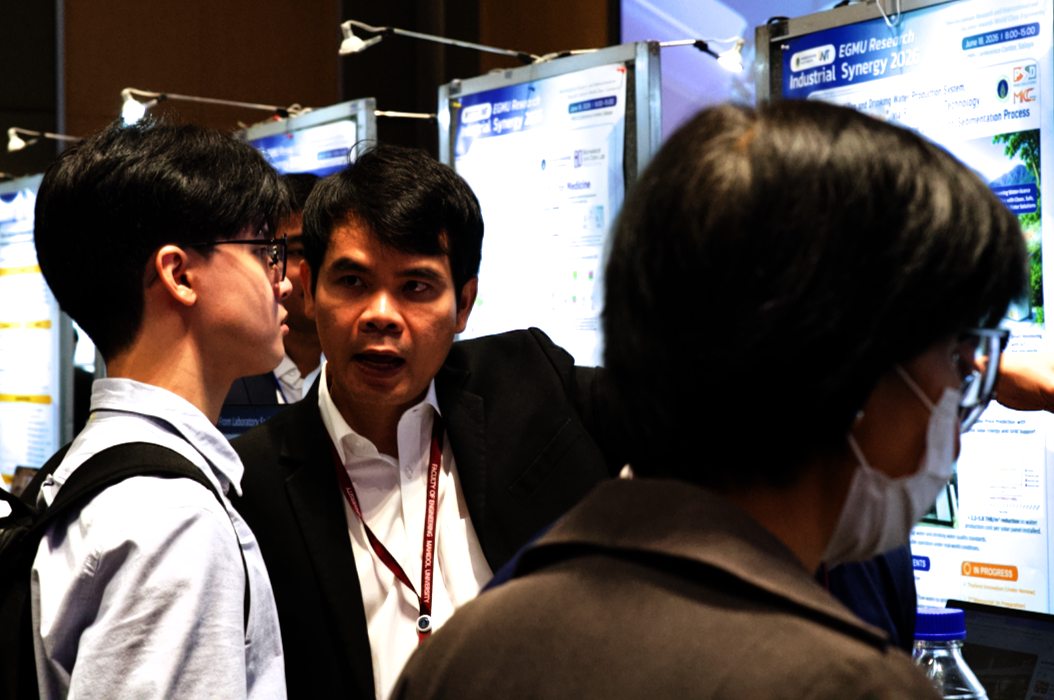
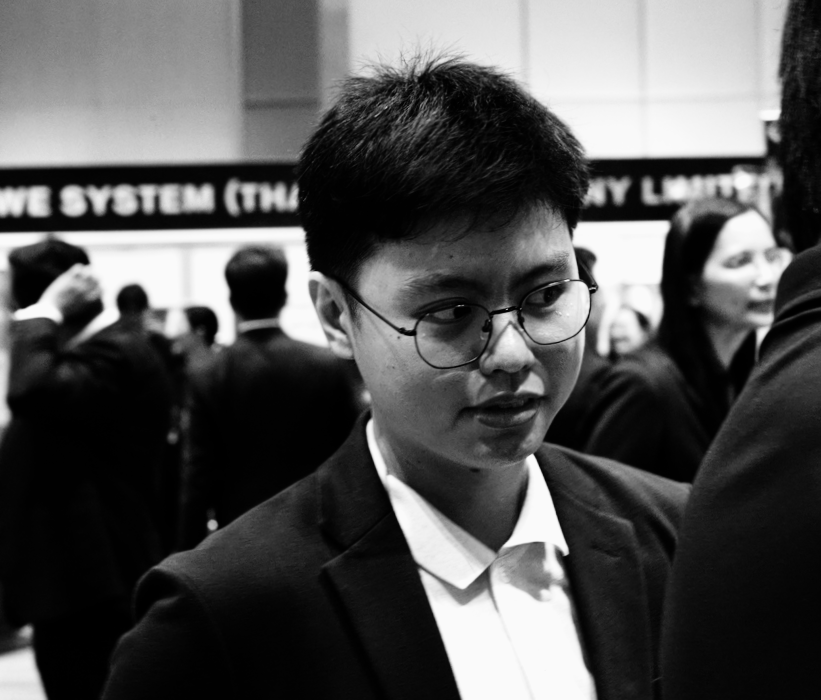
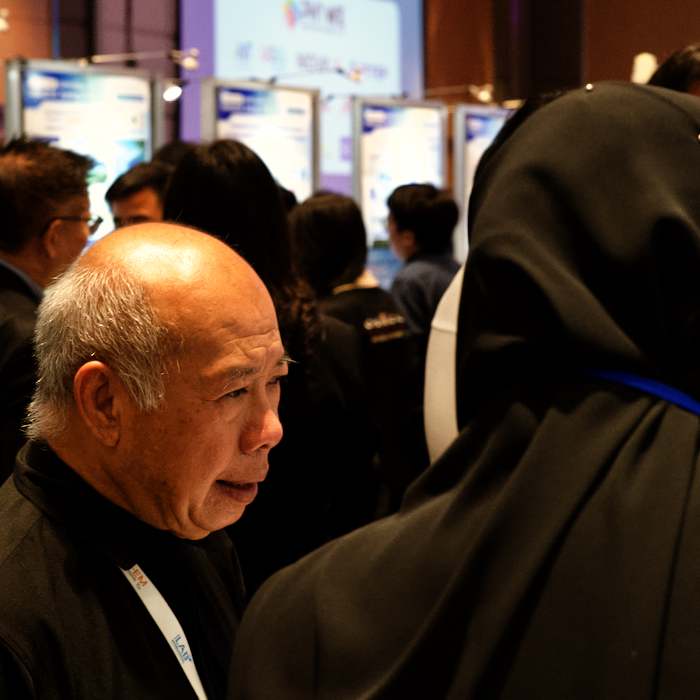
The presentations allowed the lecturers to discuss their own work, particularly in how it relates specifically to industrial efficiency. The posters gave the large audience who had come to the event the opportunity to take in a wider range of technological developments that are being worked on, giving visitors a good look at the spectrum of skills developed at the Faculty of Engineering.
|
|
|
|
|
|
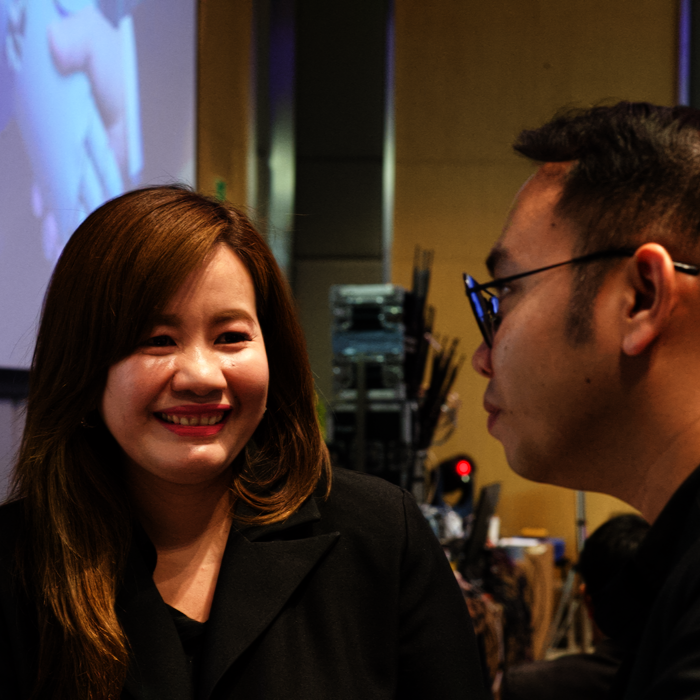
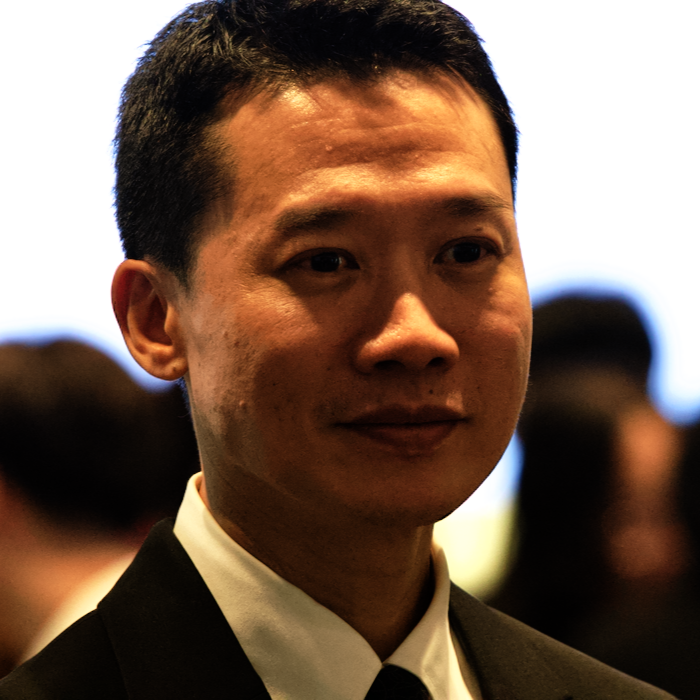
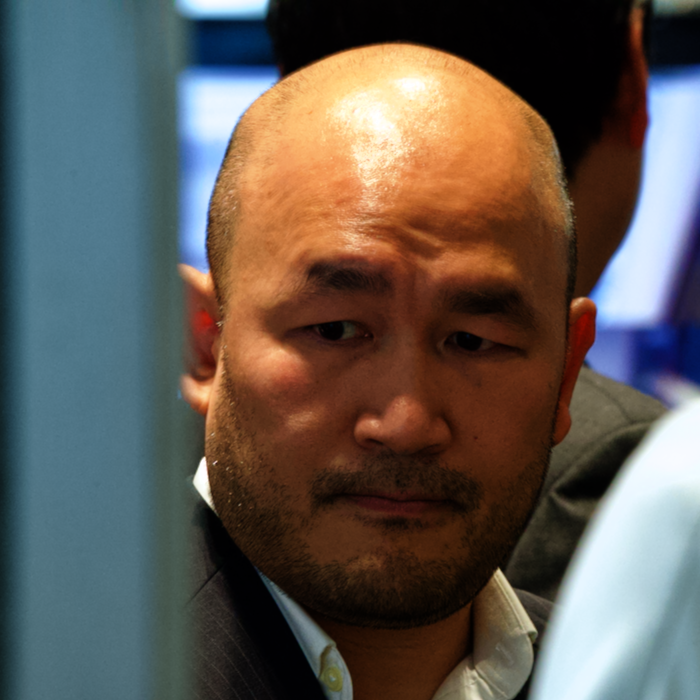
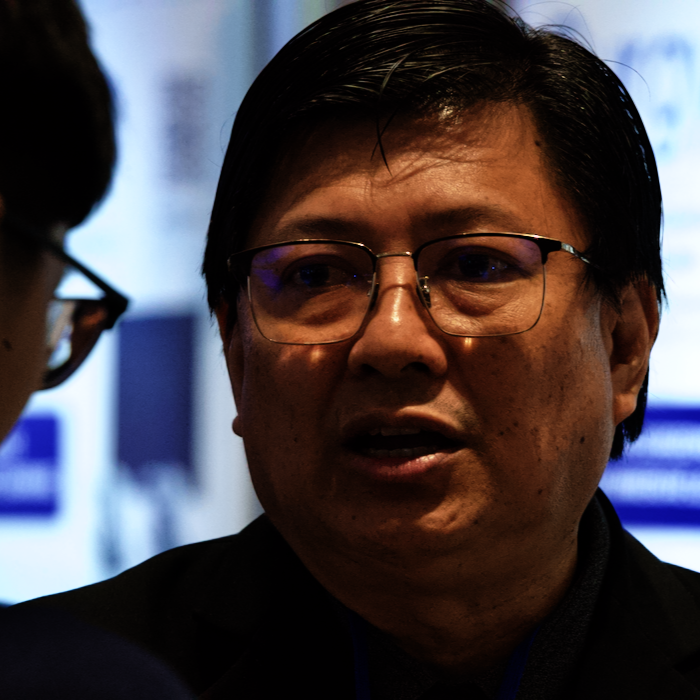
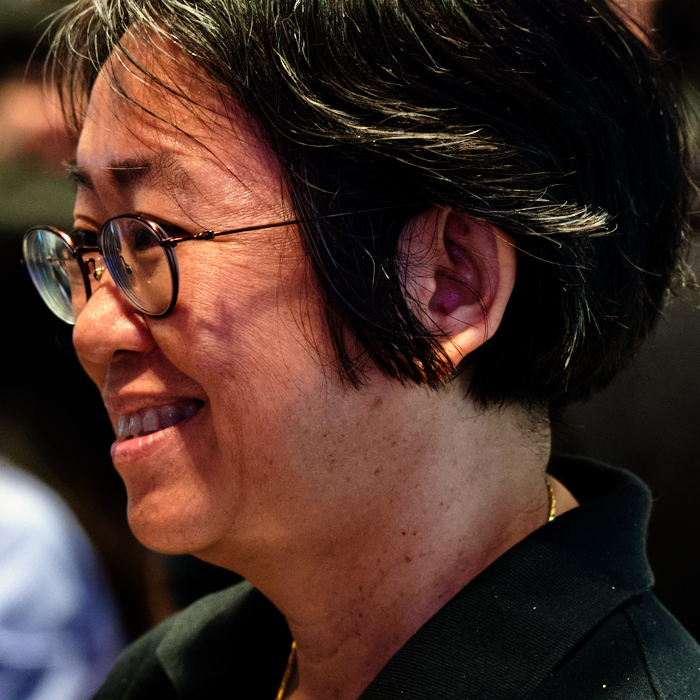
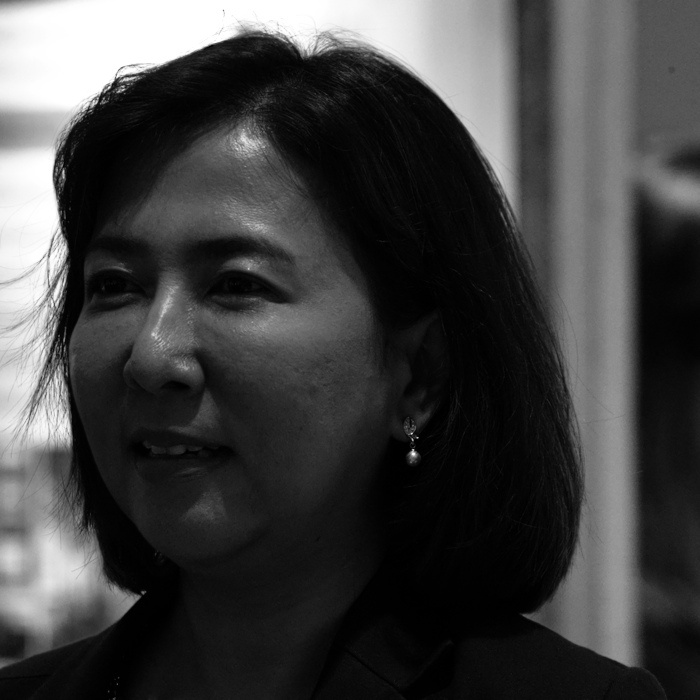
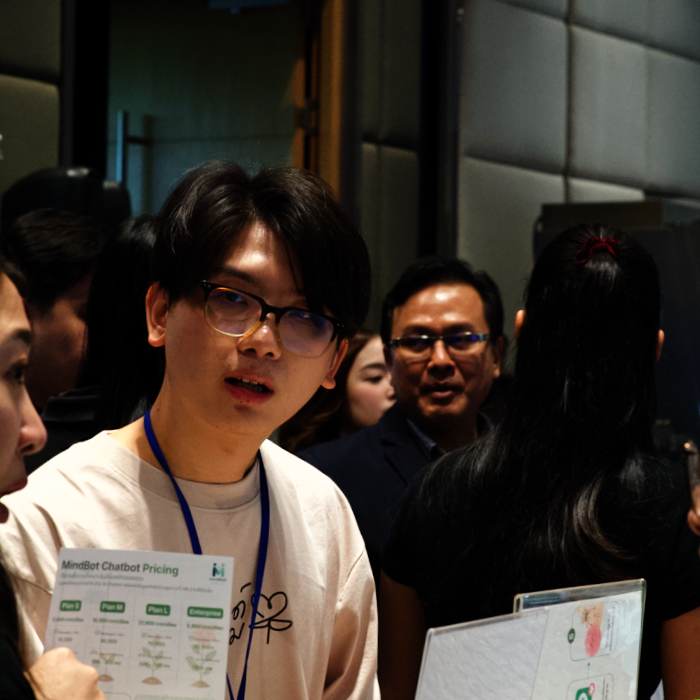
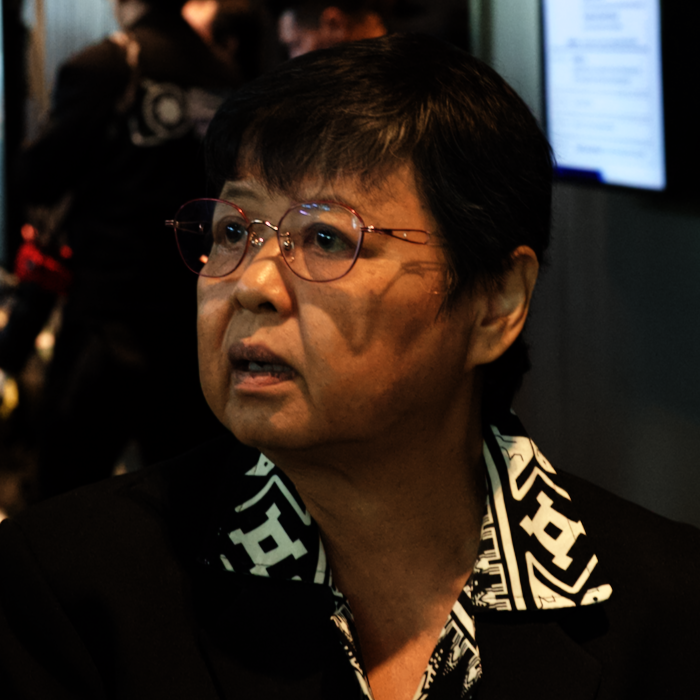
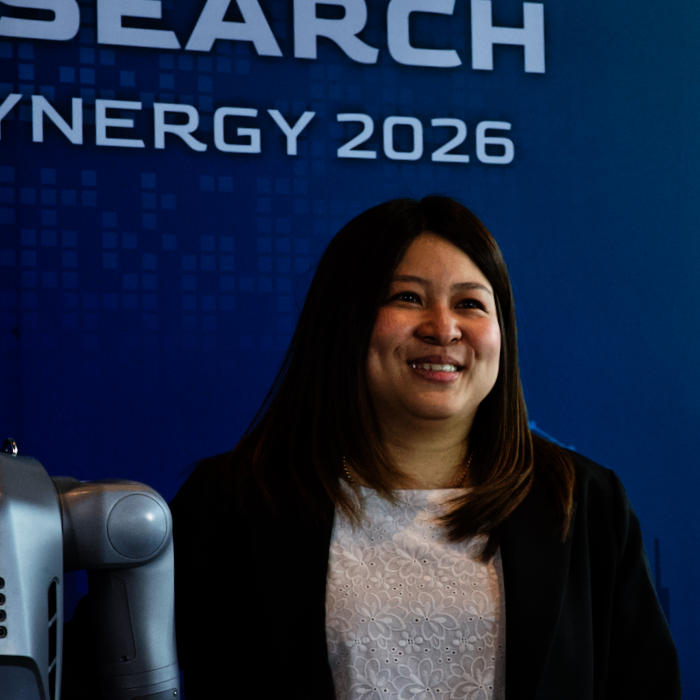
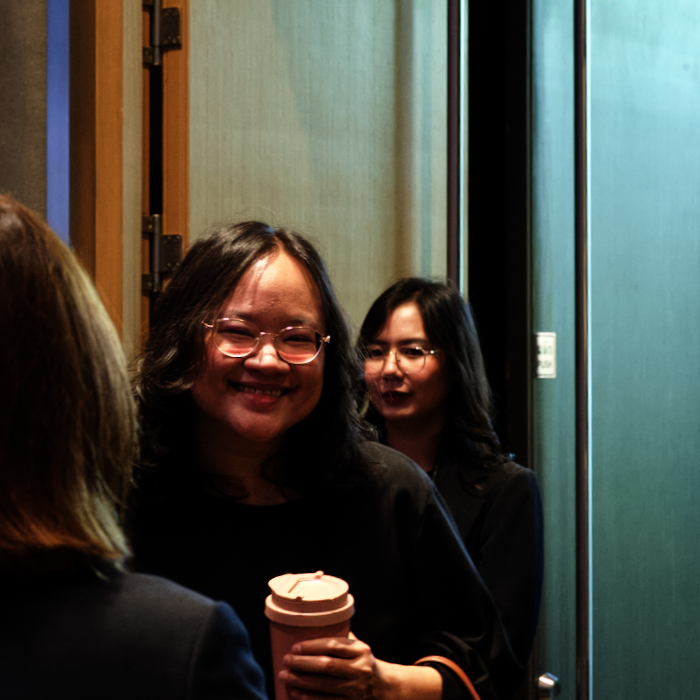
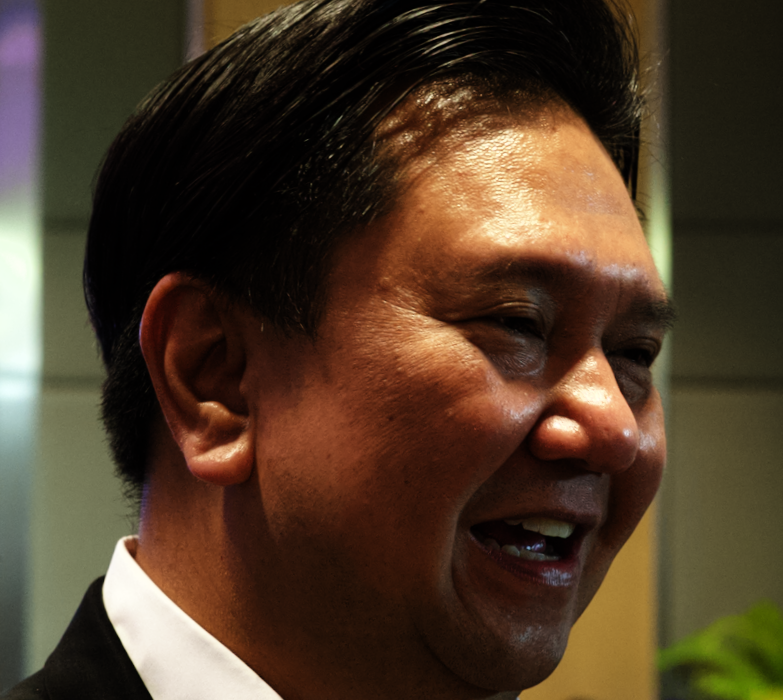
Among the visitors to Synergy 2026 I met several former students who are just as interested in up to date ideas as they were when they studied at the Faculty, some as many as 30 years ago. Their continued interest, and the enthusiasm of current engineering students, bodes well for industry in Thailand, particularly as there are industrialists, such as the panel members, who are aware of Thailand's potential in relationship to the rest of the world in areas of electronics, healthcare, manufacturing, construction and more.
|
|
|
|
|
|
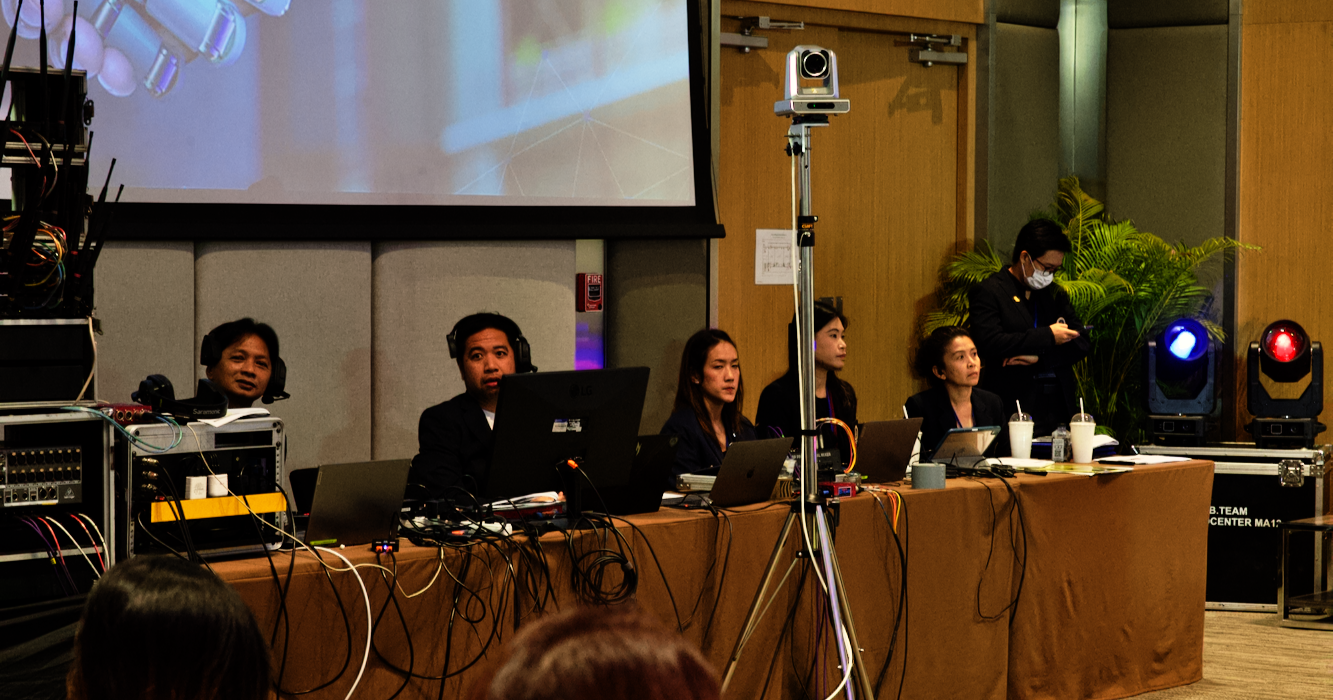
The event was well put together and credit is due - as always - to the many people behind the scenes, the advisory team, and core organizers. Recognition is also due to the media team who made sure the presentation equipment was kept running, including the large screens around the conference room, and provided a live TV feed of the event. Particular credit should also go to the Dean, Dr. Thanapat Wanichanon, Faculty executives and the Engineering Faculty management team for their support. Thanks are also due to the Masters of Ceremony who kept the event flowing. I know also that the Faculty would like to thank the sponsors for their support of researchers.
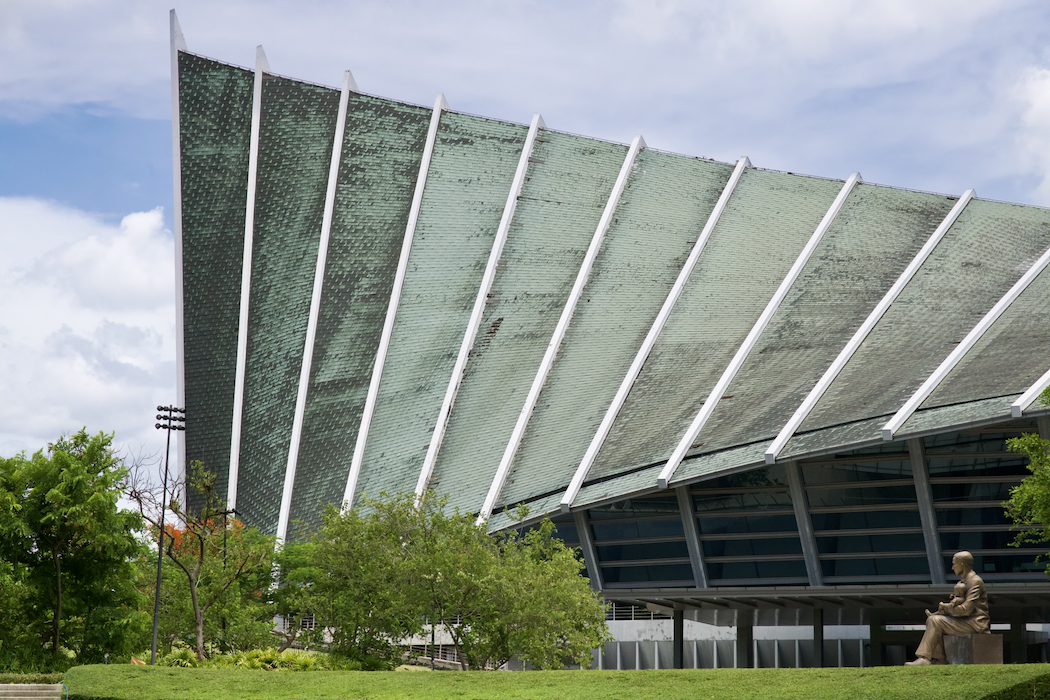
The Faculty of Engineering at Mahidol University has a long history of links with industry. As technology changes, our lecturers embrace new ideas. Their research allows the Faculty to provide services, solutions and advice to enterprises in several fields. Our students, who develop industry-related projects in their senior year, also benefit from the support provided by these teachers. The symposium identified ways in which the Faculty makes good use of technology developments that can assist industry. The Faculty is able to provide up to date information to guide our industrial partners.
EGMU Research Industrial Synergy 2026Tel: Ms. Jiraporn - +66 (0)93 349 6218
Tel: Ms. Supatra - +66 (0)98 936 5633
Email: konlakorn.won@mahidol.ac.th
Graham K. Rogers teaches at the Faculty of Engineering, Mahidol University in Thailand. He wrote in the Bangkok Post, Database supplement on IT subjects. For the last seven years of Database he wrote a column on Apple and Macs. After 3 years writing a column in the Life supplement, he is now no longer associated with the Bangkok Post. He can be followed on X (@extensions_th). The RSS feed for the articles is http://www.extensions.in.th/ext_link.xml - copy and paste into your feed reader. No AI was used in writing this item.

For further information, e-mail to
Back to eXtensions
Back to Home Page